



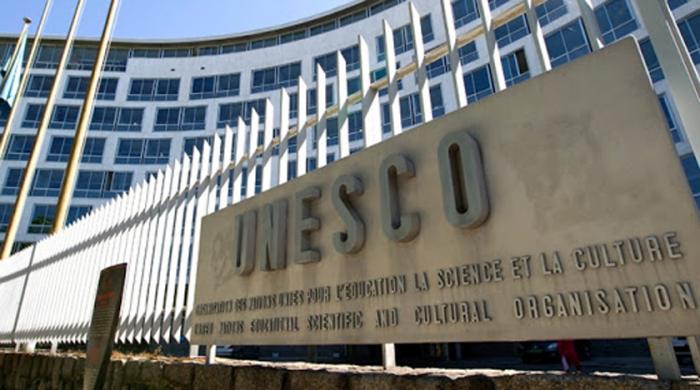
HAVANA, Cuba, January 30 (ACN) Technical teams from the United Nations Educational, Scientific and Cultural Organization (UNESCO) will soon visit schools and communities affected by Hurricane Melissa in eastern Cuba to provide on-the-ground socio-emotional support, teacher training, the distribution of materials, and assistance to youth-led projects.
In coordination with the Ministry of Education of the Republic of Cuba (MINED), UNESCO will visit areas impacted by the extreme hydrometeorological event to implement activities that strengthen the resilience of the education sector to disasters and ensure the continuity of learning.
According to the international organization, from February 1 to 6, the technical teams will visit schools and communities in five municipalities in the provinces of Granma and Santiago de Cuba, coordinating response strategies with municipal authorities and local stakeholders.
The initiative will reach 36 schools, with an estimated reach of approximately 7,000 students and 300 teachers.
The planned program includes socio-emotional support for teachers and training in Social-Emotional Learning (SEL) with a focus on resilience; psychosocial support sessions for students and families, integrated into the school day; the distribution of educational and recreational materials (learning kits) to maintain educational continuity; cultural and artistic activities with local educators and artists to rebuild connections and school life; and the provision of seed funding for community-based service-learning projects led by young people.
The mission will activate the initiative “The Socio-Emotional Route II: Rebuilding Hope,” with a primary focus on the provinces of Granma and Santiago de Cuba, aiming to address the mental and emotional health of the affected communities.
Hurricane Melissa made landfall on October 29, 2025, impacting areas of Granma, Santiago de Cuba, Holguin, and Guantanamo.
Although no loss of life was reported, UNESCO estimates that of the 3.5 million people who were exposed to the phenomenon in some way, 2.2 million require assistance in the recovery phase.
Preliminary data from the Ministry of Education (MINED) indicate that 568,000 students were affected and 39 % of schools were impacted (approximately 2,000).
According to information provided by the sector, around half of these facilities have been rehabilitated and reopened, although more than 1,000 schools still require support from international cooperation.
The United Nations agency emphasizes that the impact goes beyond physical damage, as there are also effects on mental health, teacher well-being, educational pathways, and child protection, with potential setbacks in learning.
Therefore, ensuring educational continuity requires interventions that combine psychosocial support, pedagogical recovery, and community reconstruction.
Nos reservamos el derecho de no publicar los comentario que incumplan con las normas de este sitio